
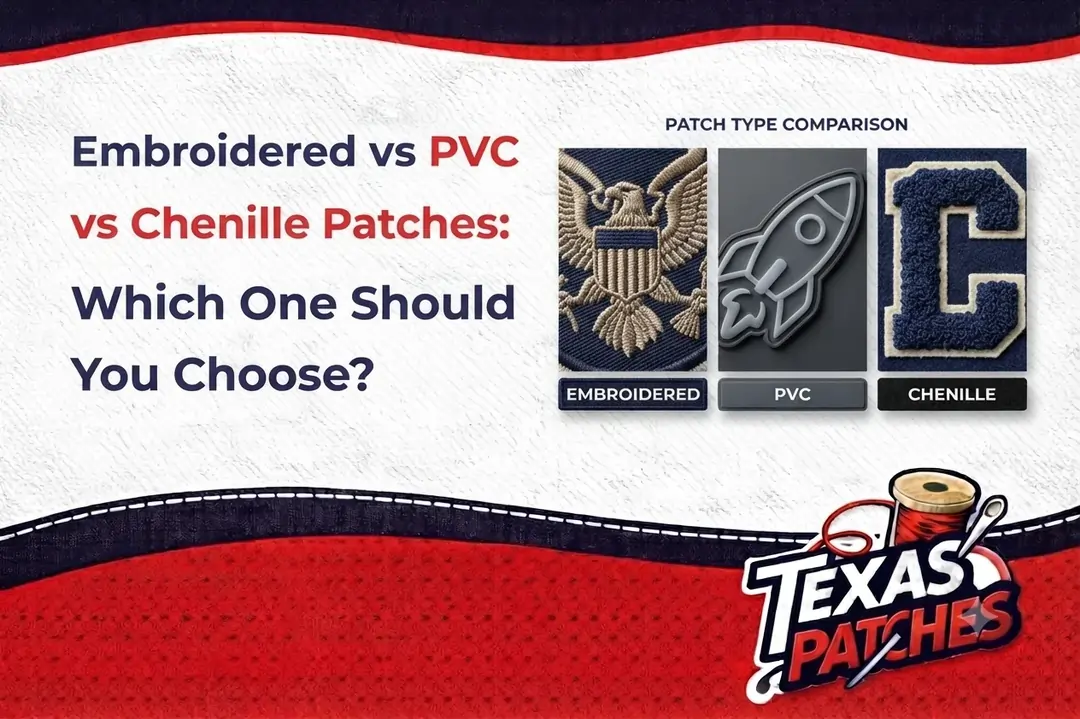
Embroidered vs PVC vs Chenille Patches: Which One Should You Choose?
A Choice That Looks Simple, But Isn’t
At first glance, patches may be seen as small design elements stitched or attached onto clothing. Behind that simple appearance, a detailed decision must be made. The wrong choice can easily result in poor durability, unclear designs, or a completely mismatched look.
It is often assumed that all patches perform the same function. However, that assumption is quickly proven wrong once different materials are explored. The patch materials and their difference becomes highly noticeable when factors like texture, longevity, and design clarity are closely observed.
In many cases, the focus is placed only on appearance by individuals. However, how the patch behaves over time is often overlooked. Questions such as whether it will fade, fray, or survive repeated washing must be considered before any final decision is made.
To simplify the selection process, three of the most widely used patch styles are usually considered: embroidered, PVC, and chenille. Each type has been designed for a different purpose, and the best performance is expected to be attained under specific conditions for each one.
Understanding the Basics Before Choosing
Before a final selection is made, the types of embroidery patches and other materials must be clearly understood. Each patch type has been developed using different production methods, which directly affect how it looks and performs.
A quick breakdown can be seen below:
- Embroidered patches: Thread-based, traditional, textured
- PVC patches: Rubber-based, modern, waterproof
- Chenille patches: Yarn-based, soft, fuzzy, bold
It should be noted that no single patch can be called “perfect.” Instead, the right patch is determined based on use, environment, and design needs.
Embroidered Patches: A Classic That Still Holds Power”
Embroidered patches have long been recognized as the most traditional option. Threads are stitched onto a fabric base, creating a raised and textured design that feels both detailed and premium.
A strong advantage is familiarity. These patches are widely used on uniforms, school apparel, and corporate clothing. A sense of trust and professionalism is naturally conveyed through their appearance.
Where They Work Best
- Uniforms and workwear
- Club logos and badges
- Jackets and caps
Key Strengths
- A timeless and clean look is maintained
- Good durability under normal conditions
- Cost-effective for bulk orders
Limitations
- Very fine details may not be perfectly captured
- Threads may be worn out over time with heavy washing
For those searching for the best patch type for clothing that requires a classic and reliable look, embroidered patches are often preferred.
PVC Patches Built for Strength and Survival
PVC patches are made from soft plastic material. A different feel is produced compared to fabric-based patches. A smooth, slightly raised surface is formed. Additionally, vibrant colours are retained for longer.
These patches are especially valued in situations where harsh conditions are involved. Water, mud, or sunlight does not easily damage them.
Where They Work Best
- Outdoor gear and equipment
- Tactical uniforms
- Sports accessories and bags
Key Strengths
- Waterproof and weather-resistant
- High durability & long-lasting
- Capable of holding intricate and sharp designs
Limitations
- A traditional look is not provided
- Slightly heavier compared to fabric patches
When durability becomes the main concern, PVC is often selected without hesitation.
Chenille Patches Bold, Soft, and Impossible to Ignore
Chenille patches are recognized for their fuzzy, wool-like texture. A soft and raised surface is created with yarn, resulting in a bold and eye-catching appearance. There is a big difference between patch materials that are normally used and the Chenille crests. You get more premium and high-end finish in these emblems.
These patches are commonly associated with varsity jackets and sports culture. A strong visual impact is created, even from a distance.
Where They Work Best
- Letterman jackets
- Sports team apparel
- Fashion and streetwear
Key Strengths
- A unique and textured look is achieved
- Lightweight and visually bold
- Perfect for large letters and shapes
Limitations
- Less durable compared to PVC
- Not suitable for detailed designs
If style and visual impact are prioritized over durability, chenille patches are often chosen.
A Clear Comparison That Makes the Decision Easier
To better understand the difference between patch materials, a simple comparison can be considered:
| Feature | Embroidered | PVC | Chenille |
| Durability | Moderate | Very High | Low |
| Detail | Medium | High | Low |
| Texture | Threaded | Smooth | Fuzzy |
| Best Use | Uniforms | Outdoor gear | Fashion |
Each patch type serves a different purpose. No single option dominates in all categories.
How the Right Choice Is Actually Made
Instead of guessing, a few simple factors should always be considered:
- Design complexity: Detailed designs are better handled by PVC
- Usage environment: Outdoor use demands durability
- Style preference: Classic vs modern vs bold
- Maintenance needs: Frequent washing requires stronger materials
By answering these questions, the best patch type for clothing can be selected without confusion.
FAQs
Which patch type lasts the longest?
PVC ones are durable and resistant to water, sunlight, and wear. If something lasting is needed, PVC is a great choice.
Are embroidered patches still a good choice?
A timeless and professional look is provided by them, making them ideal for uniforms and branding.
Can chenille patches be washed?
Extra care is needed when washing them, as the texture may wear down over time.
What is the biggest difference between patch materials?
The main differences lie in durability, texture, and design capabilities.
The Right Patch Is Chosen, Not Guessed
In the end, it should be understood that no patch type is universally superior. Instead, the right option is selected when purpose, environment, and design are carefully evaluated together.
A classic identity is maintained through embroidery. Maximum durability is assured with PVC. Chenille delivers a bold statement. Understanding differences clearly leads to amazing decisions! Choosing the right solution enhances the design, assuring lasting satisfaction without compromises.

Mike Smith is a content writer who focuses on informative and engaging blogs in the fashion and apparel niche, with a strong emphasis on custom patches. Through the Texas Patches Blog, he shares practical guides on different patch types, production methods, and personalization options. His content is aimed at helping readers understand how patches are made and how they can be used effectively. His work is useful for those planning to purchase patches in bulk or start their own patches business.